
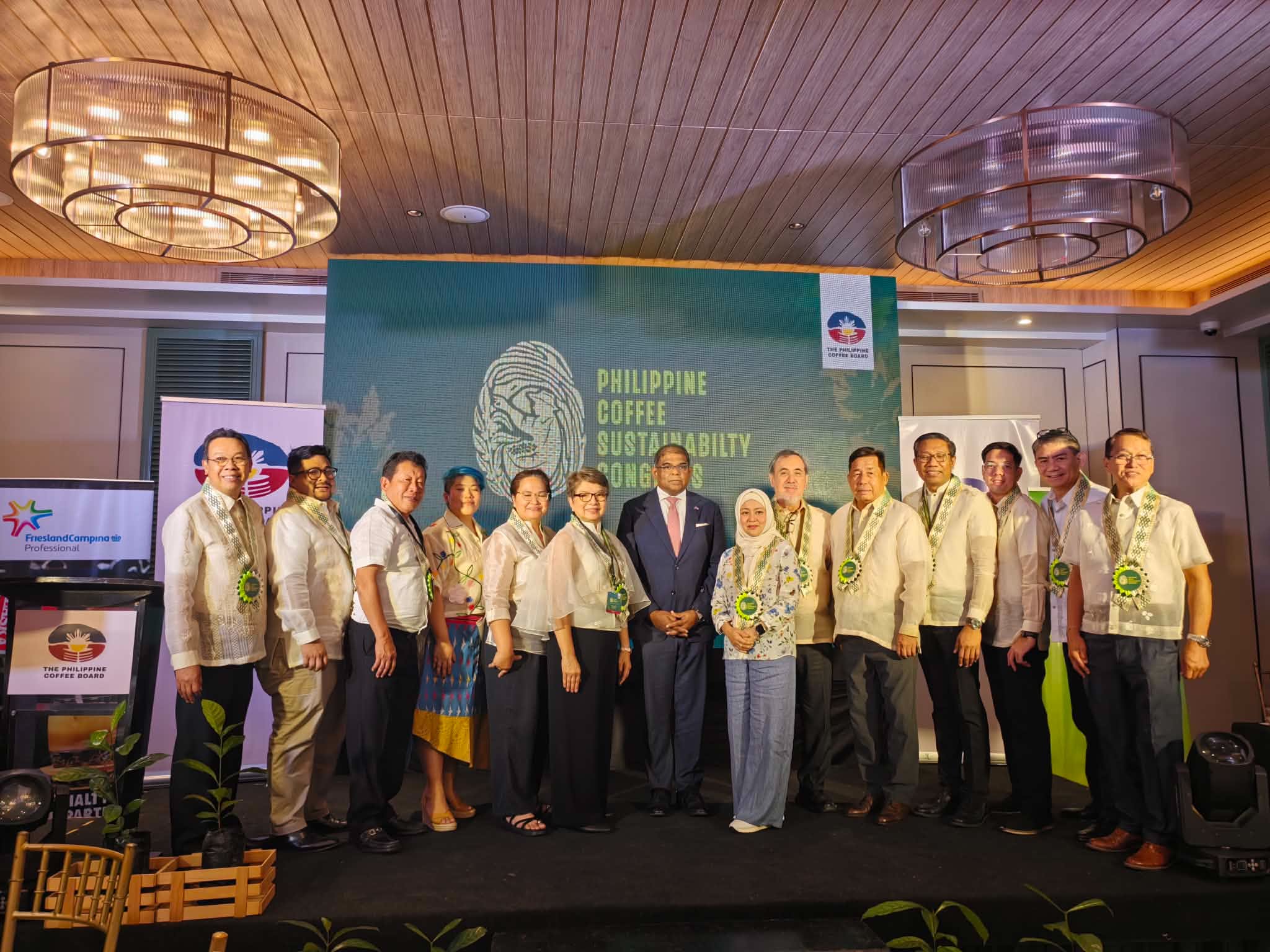
The Philippine Coffee Board, Inc. (PCBI) organized the 2nd Philippine Coffee Sustainability Congress on October 15–16, 2026, gathering coffee farmers, business owners, researchers, government officials, and industry experts to discuss strategies for strengthening the local coffee sector and promoting long-term sustainability.
Guided by the theme “Cultivating Tomorrow’s Cup: Working Towards a Sustainable Future for Philippine Coffee,” the two-day congress showcased inspiring industry success stories, environmentally responsible farming methods, creative applications for coffee by-products, and initiatives supporting education and industry growth.
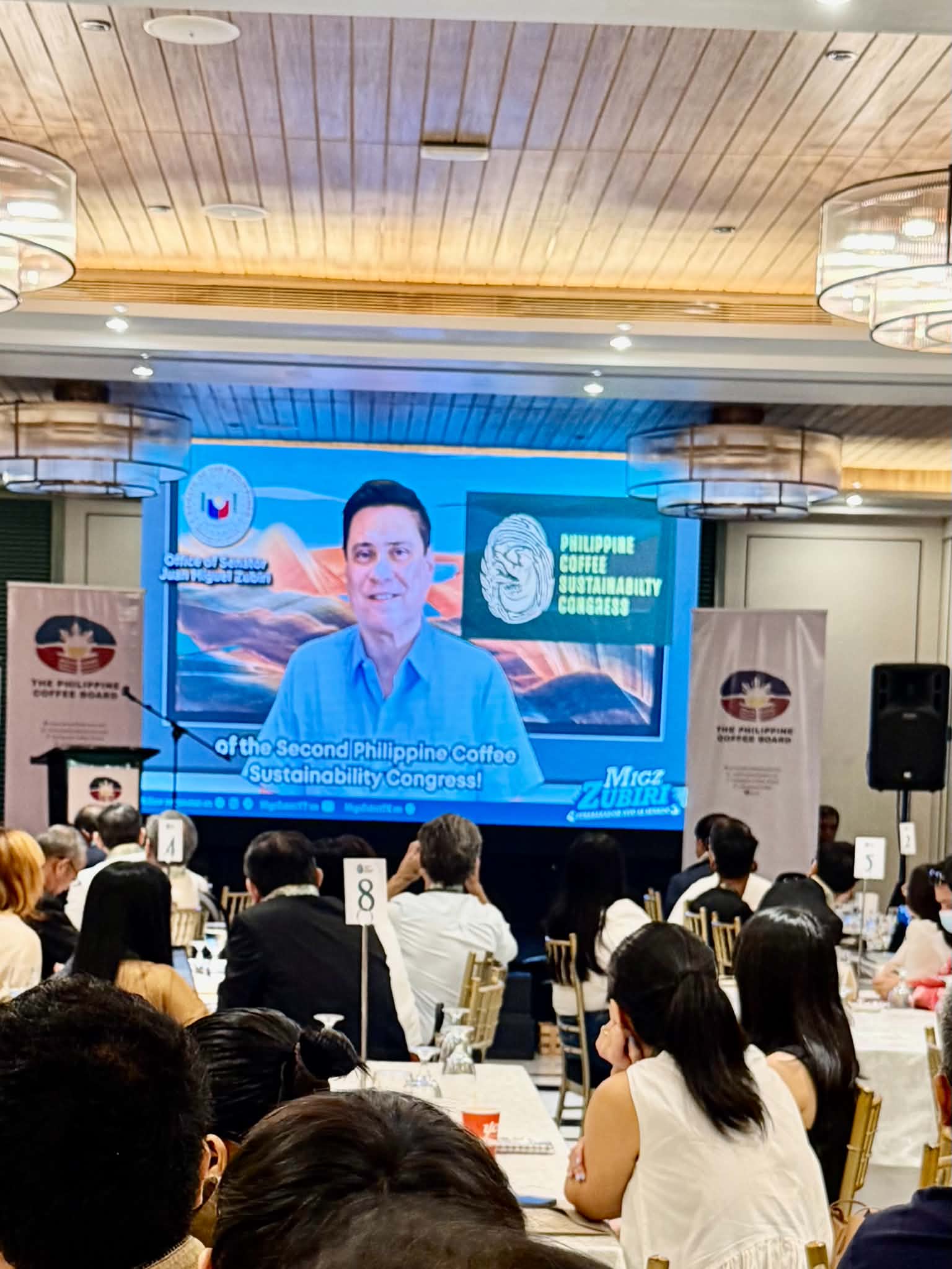
The first day of the event, held at the Makati Sports Club, featured a prerecorded keynote address from Senator Juan Miguel “Migz” Zubiri, who reaffirmed his support for Philippine agriculture, the coffee industry, and the farming communities that contribute to its growth.
The Philippine coffee industry has great potential to grow when sustainability, innovation, and support for local farmers go hand in hand. Initiatives like the Philippine Coffee Sustainability Congress highlight the importance of working together to protect farming communities, promote responsible agricultural practices, and discover new ways to make use of coffee by-products. Beyond producing quality coffee, building a sustainable industry also means creating better opportunities for local farmers and ensuring that Philippine coffee continues to thrive for future generations.
Learning from Regional Success and Empowering Communities
Among the Congress’s featured international speakers was Adam Esham, Co-Owner of House of Kendal in Malaysia, who shared his family’s coffee journey and the development of their coffee business. His presentation offered a regional perspective on how coffee heritage, entrepreneurship, and a commitment to quality can contribute to building a successful and sustainable coffee enterprise.
The IP Coffee Community panel brought together Gilbert Baltazar of DA-4K, Benjamin David Abadiano of the PAMULAAN Center for Indigenous Peoples Education, and Danilo D. Crobalde of LANDBANK to discuss opportunities for Indigenous coffee communities through education, financing, enterprise development, and market access.
Meanwhile, Gio Paolo Espital of the Philippine Rural Reconstruction Movement and Nicolo Aberasturi of Banhaw Agriculture explored alternatives to commercial fertilizers, highlighting organic and regenerative approaches to improving soil health and reducing farming costs.
Celebrating Coffee Success Stories
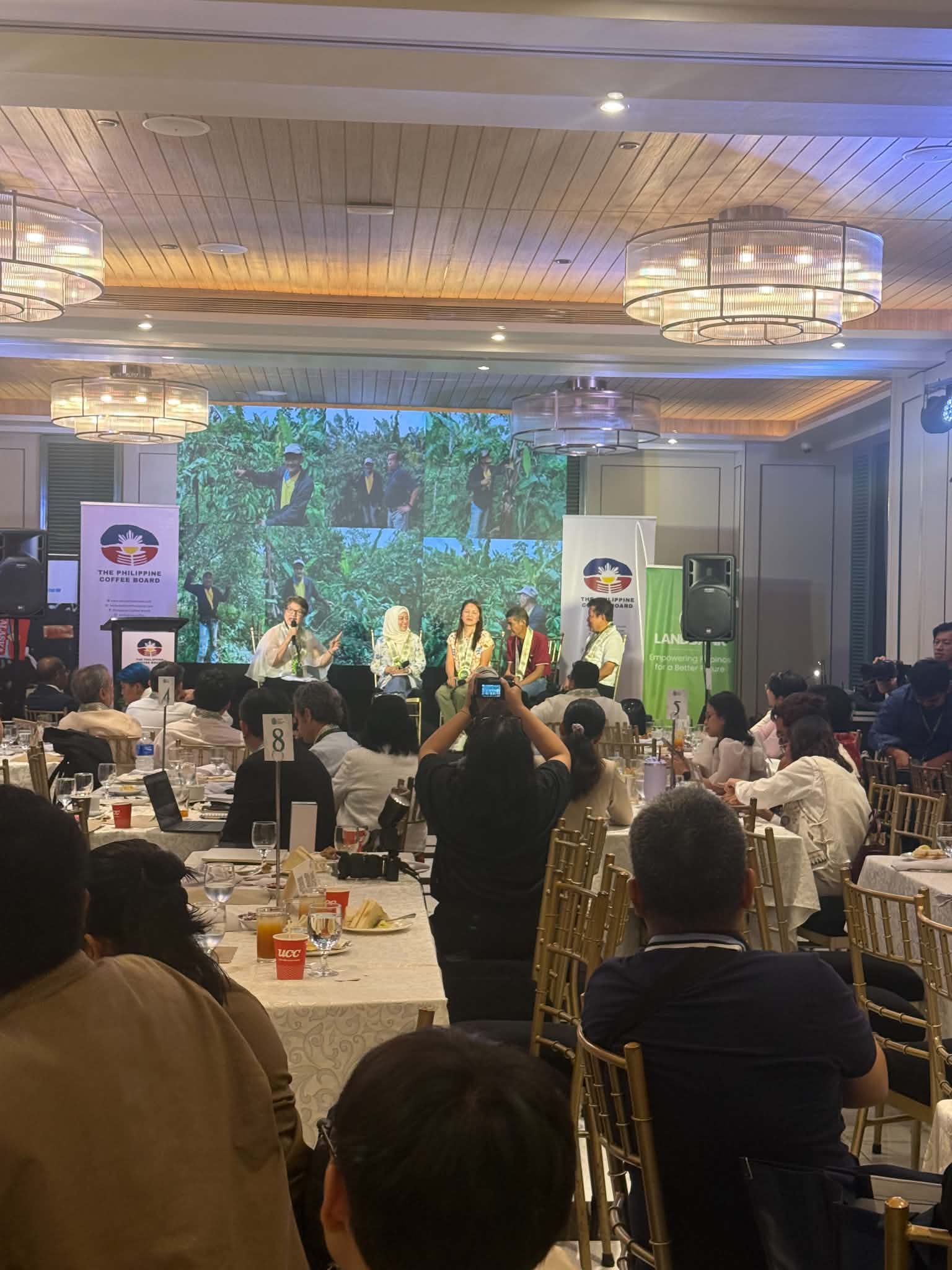
The Success Stories in Production panel featured coffee growers sharing their personal journeys, challenges, and achievements in developing successful farms and enterprises.
Panelists included Democrito “Aljun” Diamante, former Mayor of Tuburan, Cebu, who developed Tuburan Coffee; Leovino “Oben” Anacay, a coffee farmer from Amadeo, Cavite; Ylaine Giangan of Kuvi Integrated Farm; and Mayor Sitti Djalia Turabin-Hataman of Isabela City, Basilan. Their experiences demonstrated how perseverance, innovation, and community collaboration can transform coffee farming into a sustainable livelihood.
The Women in Coffee panel also highlighted success stories from different areas of the industry. Young coffee professionals Angelic Gail Perez and Angelin Gaby Perez, both 18, shared their achievements in coffee quality assessment, roasting, competitions, and mentoring. Maria Teofanie Tutanes, a nurse and entrepreneur behind Mnemo Coffee, brought insights from farming, processing, manufacturing, and marketing, while Noemi Dado of Agnep Heritage Farms in Benguet shared her family’s journey of reviving a heritage coffee farm and producing high-quality, traceable coffee.
Their stories demonstrated the important contributions of women not only in coffee production but also in entrepreneurship, education, quality evaluation, and industry leadership.
Turning Coffee Waste into Opportunity
Sustainability and innovation were also central to the Congress. Richard Khoo, CEO of Lastic Singapore, discussed opportunities within the circular coffee economy, while Stu Balmaceda, Founder of SIDE B Upcycling, showcased ways to transform coffee waste into useful products.
PCBI Director Jose “Jo” Mamar and Engr. Allan Bondad of DOST-FPRDI presented coffee briquettes, an alternative solid fuel produced by compressing processed coffee waste into compact blocks that can be used as a source of heat. Their presentations highlighted the potential of turning agricultural waste into a useful energy resource.
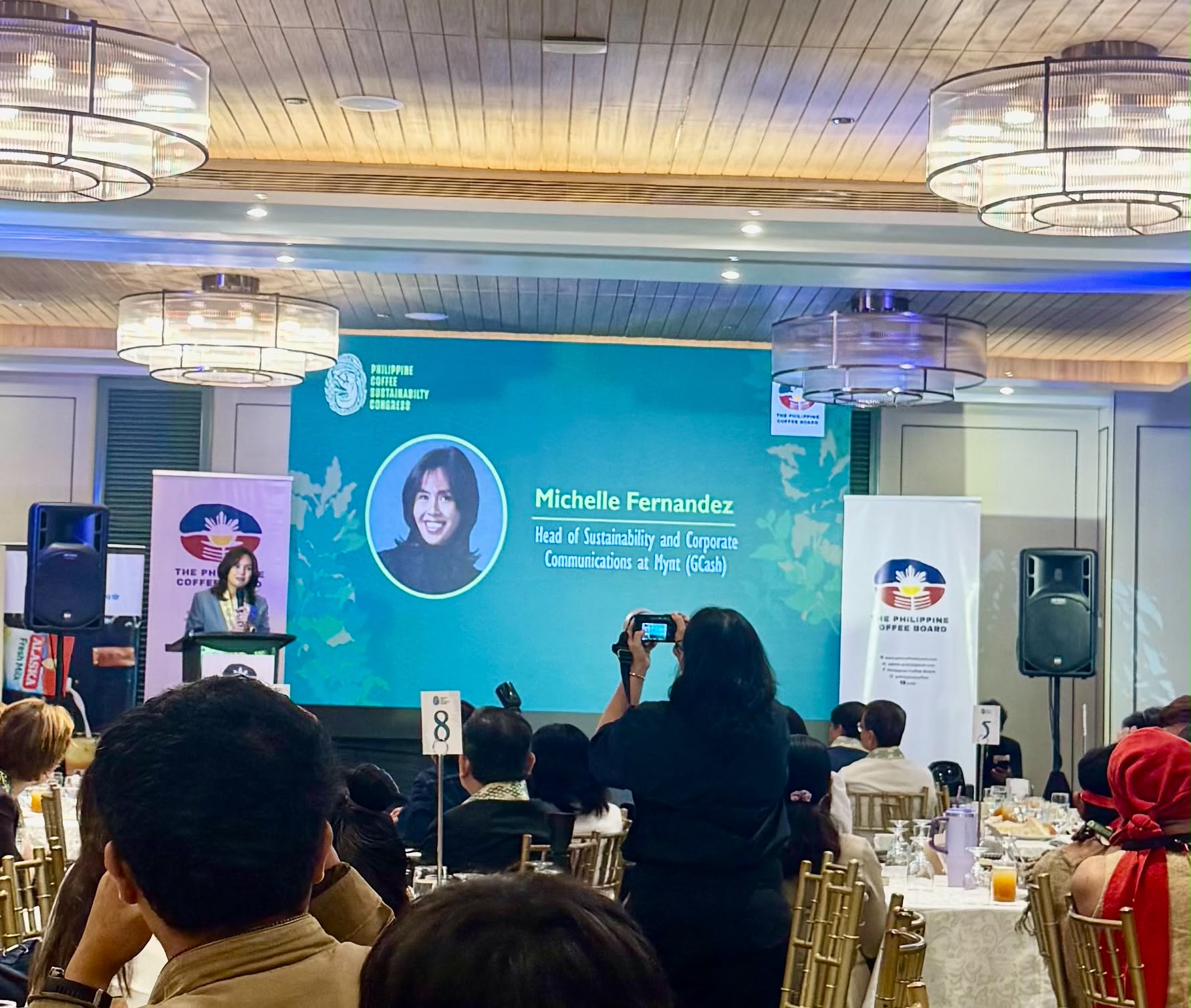
Michelle Fernandez of GCash also discussed the partnership between PCBI and GForest in supporting the regeneration of local coffee communities.
Expanding Opportunities Through Coffee Education
The Congress emphasized the importance of education and skills development in strengthening the industry.
Robert Francisco, PCBI Technical Director and Lead Instructor of UCC Coffee Academy, discussed career opportunities within the coffee sector, highlighting how professional training and specialized skills can open doors beyond traditional coffee farming.
Brendan Rosen, Head Trainer of Naturland Philippines, introduced the Naturland Academy and its role in building skills for organic coffee production, emphasizing sustainable agricultural practices and farmer education.
Dave Lim, Technical Director of the ASEAN Coffee Institute, shared the institute’s education philosophy based on the value of coffee, highlighting the importance of structured learning and professional development across the coffee industry.
The Congress also recognized Emmanuel “Manny” Torrejon, PCBI Director and Business Development Director of UCC Ueshima Coffee Philippines Inc., as the recipient of the 3rd Coffee Cup of Distinction Award for his longstanding contributions to Philippine coffee.
Experiencing Coffee Beyond the Conference
On October 16, participants joined experiential activities that brought the first day’s discussions into practice.
At Commune Cafe + Bar in Makati City, a hands-on brewing workshop facilitated by Robert Francisco explored the science behind hand-pour coffee preparation. Participants learned how principles of physics and chemistry influence coffee extraction, flavor, and brewing techniques, helping them develop their own preferred brewing style.
A guided coffee crawl around Legazpi Village, Makati City, took participants to five specialty coffee establishments: Primal Brew Coffee + Roastery, Yardstick, Mechanika Coffee, A Cup for Lola, and The Curator Coffee & Cocktails. The activity provided an opportunity to experience different coffee offerings while discovering Makati’s vibrant specialty coffee scene.
Meanwhile, participants in the coffee farm tour visited the PCBI Coffee Technology Center in Amadeo, Cavite, where they learned about coffee cultivation, farm management, and sustainable agricultural practices. The visit also included a special demonstration on coffee briquettes.
Working Towards a Sustainable Coffee Future
Through its presentations, success stories, and hands-on activities, the Congress reinforced the importance of collaboration among farmers, businesses, government institutions, researchers, and coffee professionals in building a more resilient and inclusive Philippine coffee industry.
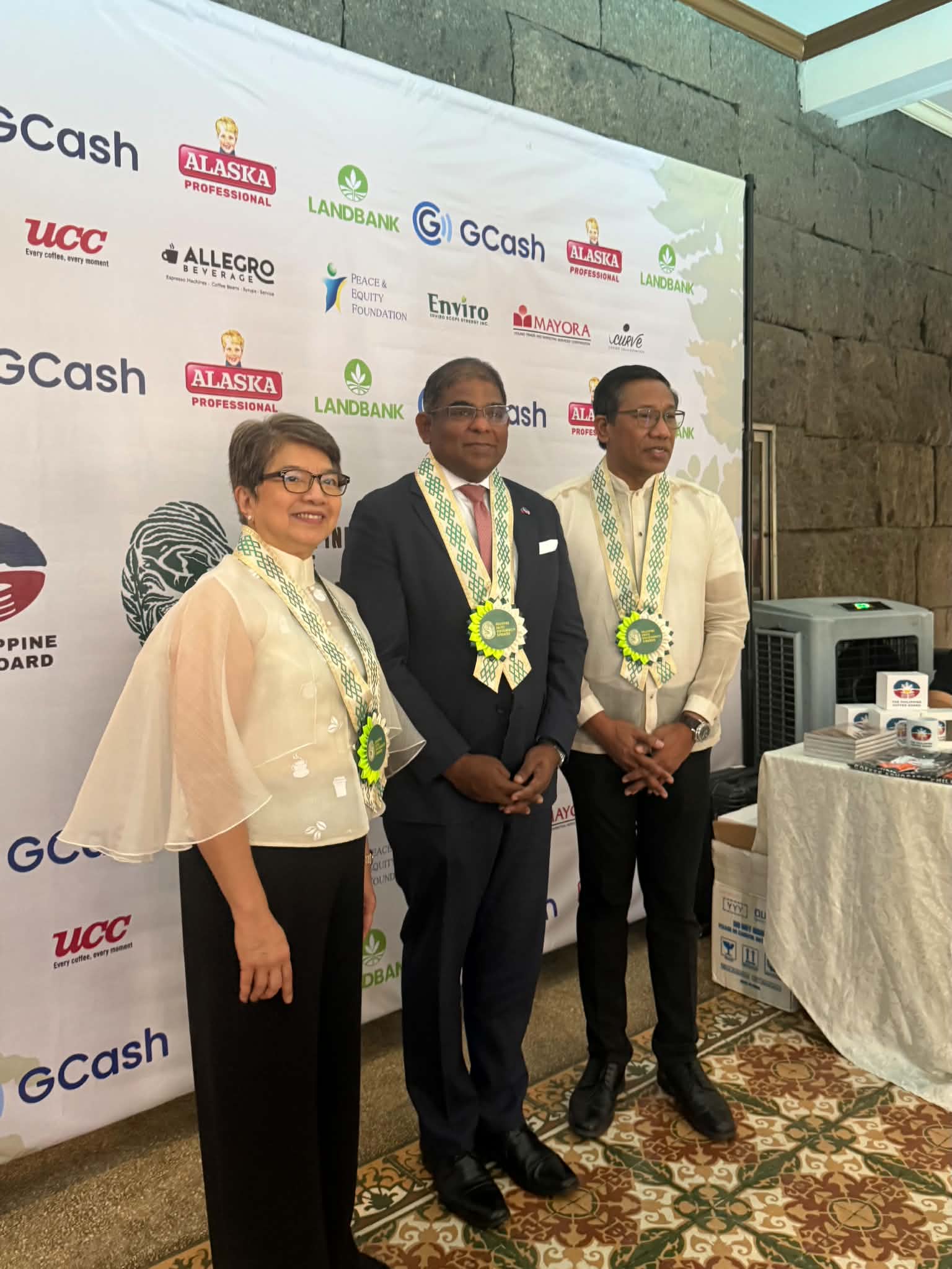
The event was made possible with the backing of GCash as Platinum Sponsor; Alaska Professional and LANDBANK as Silver Sponsors; UCC Philippines, Allegro Beverage Corporation, Peace and Equity Foundation, Enviro Scope, Mayora and BPI as Bronze Sponsors; and Curve Coffee Collaborators as Patron Sponsor.
Media coverage was supported by Malaya Business Insight, BusinessMirror, and Manila Standard.
To learn more about the Philippine Coffee Board, Inc., visit www.philcoffeeboard.com.