

Reading Informational Labels
In a time when many Filipino homes rely heavily on pre-packaged foods, the seemingly inconspicuous food label has a surprising amount of power. These labels are essential tools that enable consumers to make educated dietary decisions that have a direct influence on their health and well-being, going beyond simple regulatory compliance. Understanding these labels is essential to navigating our food landscape and managing our health, according to Arlene R. Reario, President of the Philippine Association of Nutrition (PAN), Inc.
“Food labels are more than just a regulatory requirement; they are powerful tools for empowerment,” states Reario. “They offer a window into what we truly consume, allowing us to align our food choices with our personal health goals and lifestyle needs, without feeling restricted.”
The Power of Clear and Transparent Labeling
A significant aspect of this empowerment lies in the clarity of food labels. Reario emphasizes that labels should be designed to facilitate understanding. “A well-designed label informs so that consumers can explore options confidently,” she explains. “When information is clear, concise, and easy to interpret, shoppers can make quicker, more confident choices, compare similar products effectively, and ultimately select what best suits their families.”
Such transparency also builds critical consumer trust. Labels serve as tangible proof that a product adheres to Philippine food safety laws and regulations, including crucial Food and Drug Administration (FDA) approval. “When consumers see proper labeling, they know the company is committed to quality and safety,” Reario notes. This assurance fosters confidence in the products they bring home.
Taking Health Into Our Own Hands: The Role of Nutrition Literacy
While clear labels are essential, the responsibility also falls on consumers to cultivate nutrition literacy – the ability to understand and utilize the information provided. Reario points out that many Filipinos often overlook crucial sections of a label, missing out on valuable insights.
“By improving nutrition literacy, Filipinos can transform how they approach their daily meals,” Reario asserts. “It’s about understanding terms, recognizing nutrient content, and knowing how to apply that information to build healthier habits.” This knowledge empowers individuals to critically evaluate claims, compare nutritional values, and ultimately make decisions that support a healthier lifestyle.
For parents, this takes on added significance. “Label information is an invaluable guide for parents to make informed choices for their children’s diets,” Reario advises. “It helps them identify snacks with more nutritional value, monitor sugar and sodium intake, and teach their children about balanced eating from a young age.”
To improve nutrition literacy, you can reach out to a registered nutritionist-dietitian and other health professionals who are knowledgeable on nutrition.
Balance and Moderation Remain Key
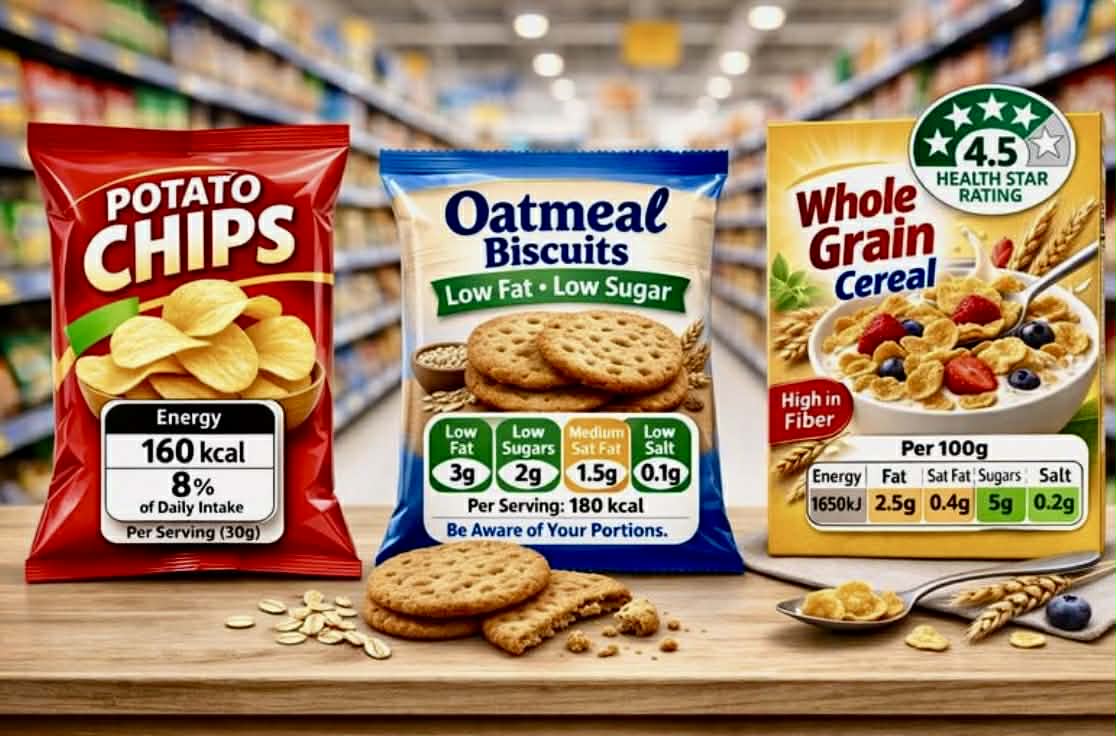
Despite the wealth of information available on labels, Reario reiterates that the fundamental principles of nutrition – balance and moderation – continue to hold the most weight. “Understanding labels is a crucial step, but it must be viewed within the larger context of a balanced diet, like that promoted by the Philippine Food Pyramid and ‘Pinggang Pinoy’ and regular physical activity,” she explains. “No single food is inherently ‘bad’ when consumed in moderation as part of a varied diet. Labels and a personal understanding of your diet can help you achieve that balance.”
Reario recommends a straightforward daily routine to begin this journey: “Start by consistently checking the serving size and the nutrition facts panel, especially for sugar, sodium, and fat content. This small step can lead to significant changes in our overall dietary patterns.”
Amidst an abundance of food options, the modest food label becomes a potent ally. Filipino consumers can genuinely take charge of their health and well-being, one smart decision at a time, by promoting clear information, encouraging nutrition literacy, and reminding ourselves of the timeless value of balance.

No Comments