

FEIHE has invested in a fully integrated industrial chain—from pasture and ingredient production to manufacturing, packaging, and distribution—allowing complete control over milk quality from the very beginning. Photo taken at the FEIHE Smart Industrial Park in Harbin, China.
When it comes to milk nutrition, conversations often center on what is contained in the can—protein, calcium, DHA, vitamins, and other functional nutrients. These components have become familiar to Filipino families, and for good reason, as they contribute significantly to children’s growth and development. However, another important question is worth considering: How do these nutrients make their way into the milk?
For Lee Meng Thoong, General Manager of FEIHE’s Overseas Business Unit, understanding the journey and process behind milk production is essential to appreciating and assessing its quality.
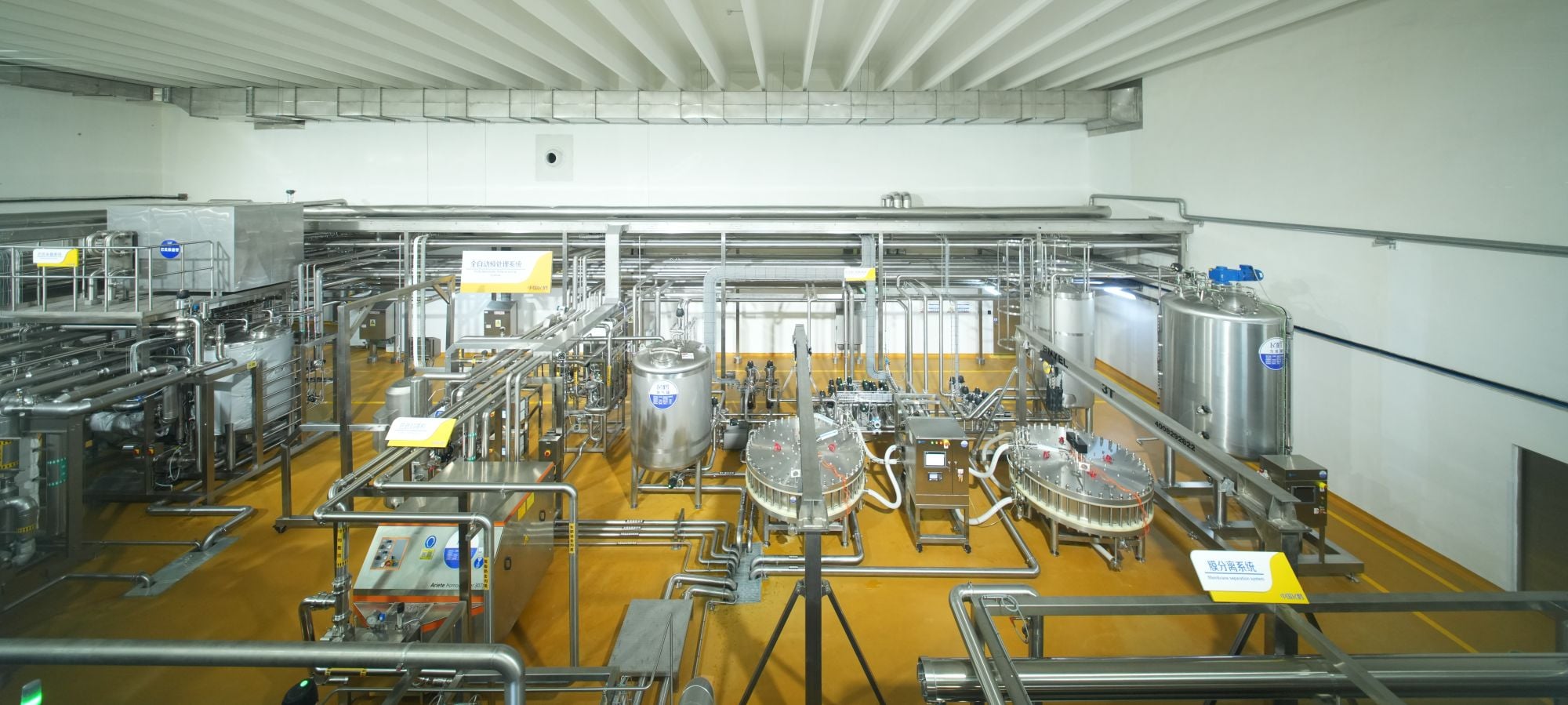
Preserving milk’s freshness requires speed, precision, and complete control. FEIHE uses a one-step freshness process that transforms fresh milk into powder within just two hours. Inside FEIHE’s intelligent factories, advanced automation minimizes human intervention throughout production.
“The nutritional value of milk is influenced not only by its formulation. It is also shaped by the freshness of its raw ingredients and by every step of the journey from pasture to production,” he said. From how dairy cows are raised, to how quickly fresh milk is processed, to how every batch is monitored and protected, the supply chain plays a critical role in preserving the natural goodness of milk.
- Freshness begins with healthy cows
Good milk starts long before it reaches the factory. It begins with healthy cows raised in the right environment. When a cow is healthy, it can produce better-quality milk, making responsible dairy farming the foundation of the whole production process.
Lee explained that this focus on quality begins at the very source of the milk:
“FEIHE manages more than 150,000 self-owned Holstein dairy cows across 15 large-scale ranches, allowing it to take full control over milk quality from the very beginning. Every cow is raised under strict animal welfare standards and fed a carefully balanced Total Mixed Ration (TMR) formulated according to its nutritional needs. Each cow consumes approximately RMB 140, or PHP 1,260, worth of feed every day, while digital monitoring systems track its health, nutrition, and milk production.”
- Freshness is protected by nature
Environment is equally important. Around the world, the temperate zone between 40° and 50° north latitude is recognized as the Golden Milk Source Belt, home to renowned dairy regions such as Wisconsin in the United States, Alberta in Canada, and Hokkaido in Japan.
FEIHE’s ranches are located within this same belt, in Qiqihar, Heilongjiang Province, at 47° north latitude, sharing the same ecosystem as the world-famous Zhalong Wetland.
The region offers a rare combination of fertile black soil, abundant sunshine, a cool climate, naturally alkaline mineral water, and clean air. FEIHE also manages one million mu, or approximately 666,667 hectares, of dedicated forage fields within this ecosystem, allowing the company to grow its own feed and maintain complete control over quality from soil to pasture.
“These natural conditions help produce high-quality fresh milk while supporting a healthier environment for dairy cows throughout the year,” Lee added.
- Freshness is preserved through innovation
Preserving freshness is not simply about what happens inside the factory, but having control over the entire production journey:
“This is why FEIHE has invested in a fully integrated industrial chain—from pasture and ingredient production to manufacturing, packaging, and distribution.”
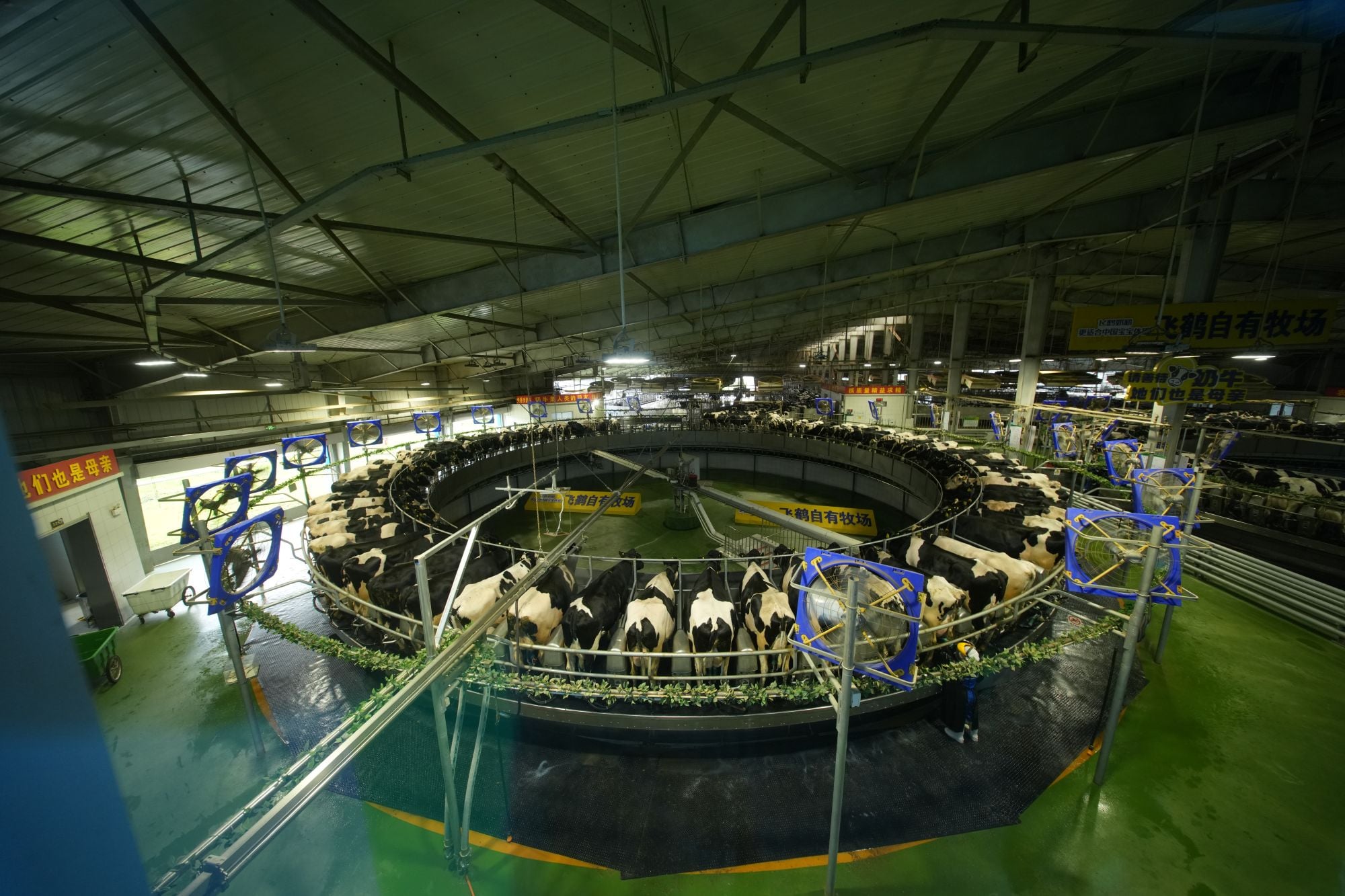
Good milk starts with healthy cows raised in the right environment. FEIHE manages more than 150,000 self-owned Holstein dairy cows across 15 large-scale ranches. Each cow follows a carefully managed nutrition and care program throughout its lifetime to ensure optimal health and consistently produce high-quality fresh milk.
Fresh milk is transported through a fully enclosed cold chain and processed within approximately two hours after milking using FEIHE’s one-step, low-temperature fresh milk process. By reducing transportation time and unnecessary handling, more of the milk’s naturally occurring active nutrients are retained.
Inside FEIHE’s intelligent factories, advanced automation minimizes human intervention throughout production. An AI-powered real-time monitoring system continuously tracks every stage of manufacturing in milliseconds, ensuring full traceability, consistent quality, and food safety from raw milk to the finished can.
“Technology is therefore part of a broader system designed to protect quality throughout the journey. Fresh milk is at its best immediately after milking. Preserving that freshness requires speed, precision, and complete control,” Lee highlighted.
This commitment to quality was recently observed by representatives from the International Dairy Federation (IDF) during their visit to FEIHE’s ranches and manufacturing facilities, where they toured the company’s integrated production system and saw firsthand how science, automation, and supply chain management work together to support freshness and nutrition.
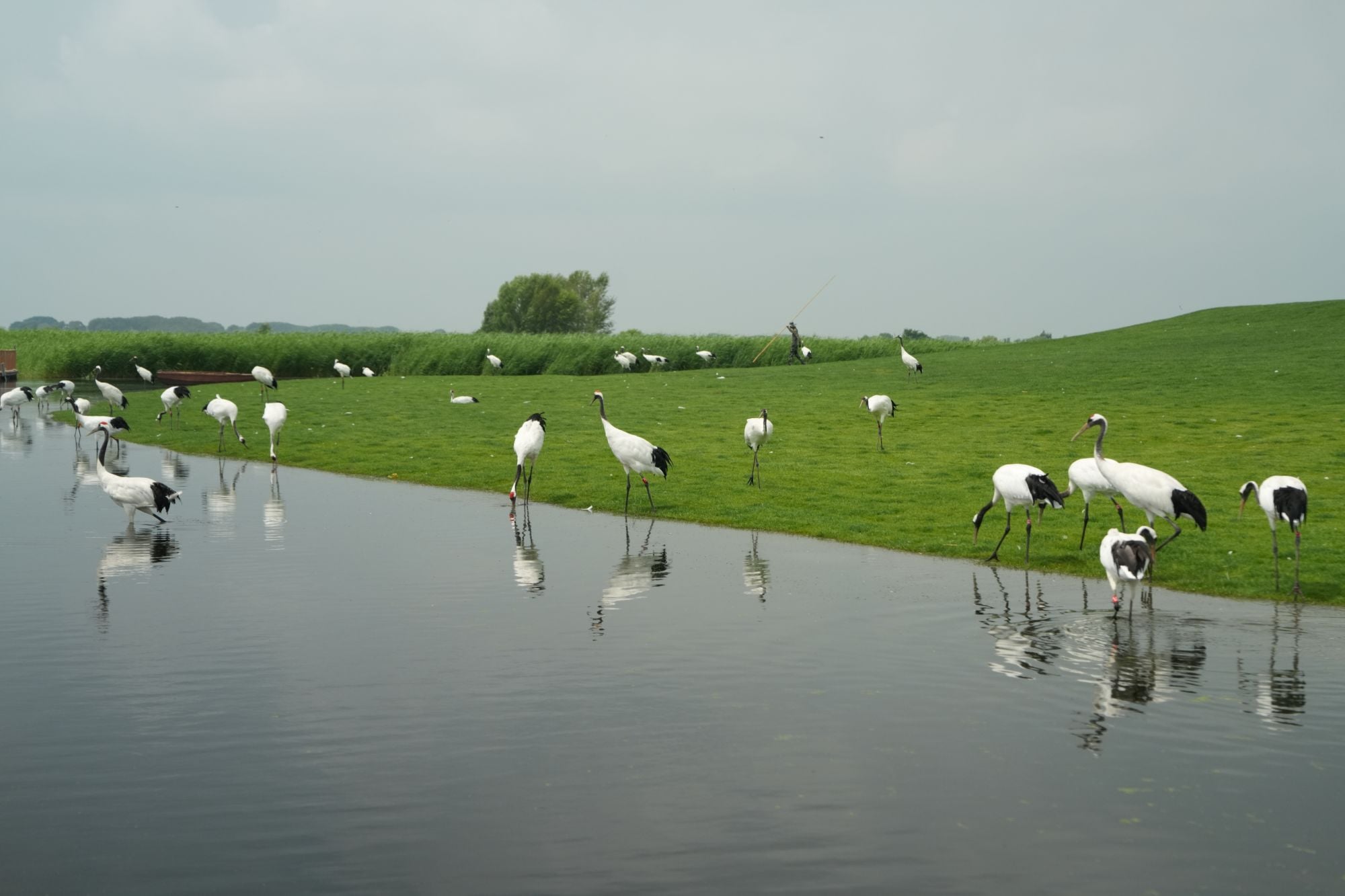
Environment plays a vital role in ensuring milk quality. FEIHE’s ranches are located in the Golden Milk Belt at 47° north latitude, one of the world’s premier dairy regions. They share the same ecosystem as the Zhalong Wetland, home to the ecologically sensitive red-crowned cranes, an indicator of a clean and well-preserved natural environment.
Why This Matters to Filipino Families
Today’s Filipino parents are becoming more mindful of what goes beyond the nutrition label. They want to understand where their milk comes from, how it is produced, and whether it adheres to the highest standards of quality and safety.
“The journey of milk matters just as much as its nutritional content. At FEIHE, freshness is not just a promise—it is a system built on science, quality, and trust.”

No Comments